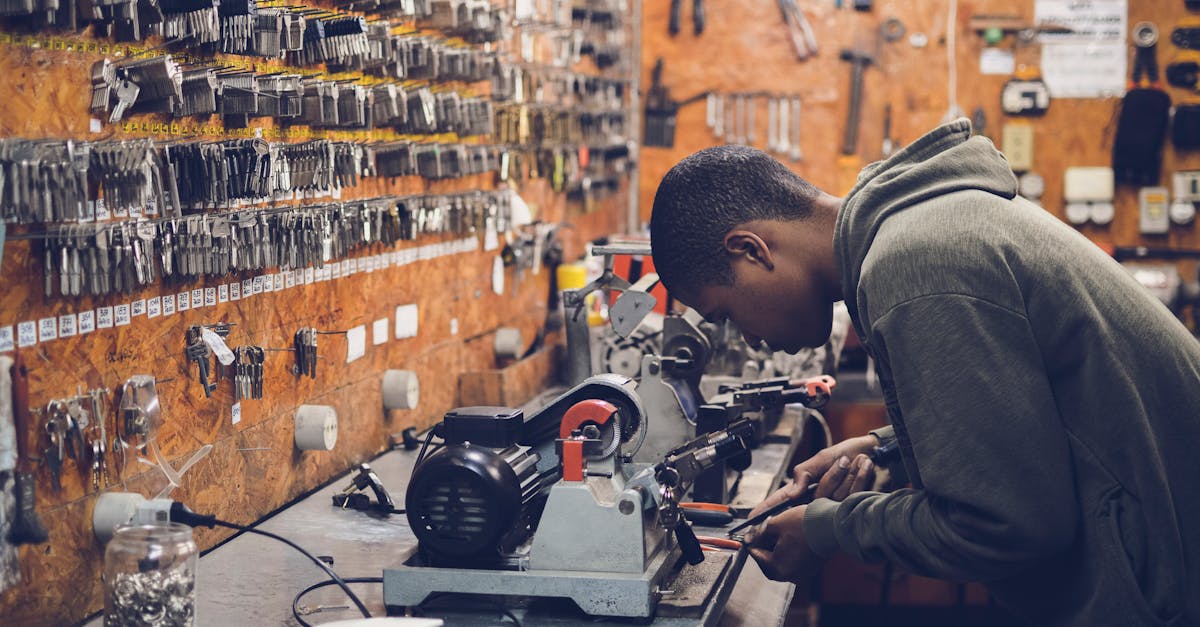
Challenges Involved in Key Cutting
Key duplication can often present various challenges, particularly when replicating older keys that may have unique or worn-out profiles. The wear and tear on keys over time can impact their shape, making it difficult to create an accurate copy. Some older keys may also have intricate designs or grooves that require specialized machinery for precise cutting. Without the right tools or expertise, achieving a perfect duplication can be problematic and may lead to functional issues down the track.
Additionally, ensuring the new key aligns well with the lock can be a significant challenge. Locks themselves may also experience wear, which can complicate the key cutting process further. Variations in metal composition and key blanks can add to the difficulty, as not all materials respond the same way to cutting techniques. As a result, sourcing the correct blank is crucial for successful key duplication, and this often requires consulting an expert in the field.
Common Issues and Solutions
When it comes to key duplication, several common issues can arise that may affect the outcome of the cutting process. One frequent problem is wear and tear on old keys, which can make them harder to copy accurately. A worn key may have a shape that doesn't clearly define its grooves and ridges, leading to a duplicate that doesn't fit properly. In such cases, it's advisable to compare the old key with a new blank to ensure clarity in the cutting guidelines.
Another concern is the availability of key blanks that match the original design. This situation often occurs with older locks for which manufacturing has ceased. In these scenarios, locksmiths can sometimes find suitable alternatives or modify existing blanks to ensure compatibility. It's essential to communicate potential issues with the locksmith upfront, as their experience can provide a solution tailored to the specific type of key being duplicated.
Ensuring the New Key Works
Once a new key is cut, it is essential to ensure that it functions correctly in the lock. Key Duplication often involves meticulous attention to detail, as even minor discrepancies in the cutting process can lead to issues. After having a key duplicated, testing it in the original lock is necessary to confirm that it turns smoothly and reliably. This ensures that the new key can be used without problems, avoiding potential frustrations down the line.
If the new key does not work as intended, adjustments might be needed. Professional locksmiths have the tools and expertise to make refinements on the duplicated key. Sometimes, even slight alterations are required to achieve the perfect fit. Addressing these issues promptly can save time and effort, allowing users to enjoy the convenience of their new key without further complications.
Testing and Adjustments
Testing a newly cut key is a crucial step in the key duplication process. After the cutting is completed, the new key should be inserted into its respective lock to ensure that it fits properly and operates smoothly. This step helps identify any potential discrepancies in the cutting process, such as slight variations in depth or angle. If the key doesn't turn easily or aligns poorly with the locking mechanism, adjustments may be necessary.
Making adjustments to the key can involve using a file or a key cutter to refine certain areas. A meticulous approach is vital to avoid making the key too loose or too tight within the lock. Continuous testing after each adjustment will help achieve the ideal fit. This iterative process ensures that the final product not only duplicates the original key but also functions reliably in everyday use.
Cost Factors for Key Cutting
The cost of key duplication can vary considerably based on several factors. The type of key being duplicated plays a significant role; standard house keys are generally cheaper to cut than specialised or high-security keys. Additionally, the location of the locksmith can influence pricing, with urban areas often having higher service fees compared to rural locations.
Another factor affecting the cost is the equipment used during the key cutting process. Advanced machinery designed for precision cutting may incur higher operational costs, which can be passed on to the consumer. Some locksmiths may also charge extra for mobile services, particularly if they need to travel a significant distance to assist you with key duplication.
What Influences the Pricing
The pricing for key duplication can vary significantly based on several factors. The type of key being duplicated plays a crucial role; standard house keys are generally cheaper to cut compared to specialised keys, such as high-security or electronic versions. Additionally, the complexity of the key design can add to the cost, as more intricate cuts require advanced machinery and expertise. Other influencing elements may include the location of the locksmith and their pricing structure, which often reflects the demand and competition in the area.
Another important factor is the materials used for the new key. Keys made from high-quality metal or those that feature advanced security features tend to cost more than those made from standard materials. If the key duplication involves more intricate processes or requires additional services, such as programming for a car key, the overall expense will increase. Always consider obtaining quotes from different providers to ensure that you're getting the best deal for your key duplication needs.
FAQS
Can I get an old key cut if it’s worn down?
Yes, old keys can often be cut even if they're worn down. A skilled locksmith may be able to use the remaining features of the key to create a duplicate.
What if my old key is broken?
If your old key is broken, a locksmith may still be able to create a new key if they have a portion of the original key. They can use that piece to replicate the design.
Are there any keys that cannot be cut?
Some highly specialised or advanced keys, such as electronic or transponder keys, may not be able to be cut or duplicated without the original manufacturer's specifications.
How can I ensure that my new key works properly?
It's important to test the new key in the lock it’s intended for. If it doesn't work smoothly, adjustments can be made by the locksmith to ensure it functions correctly.
What factors can affect the cost of getting a key cut?
The cost of key cutting can be influenced by factors such as the type of key, the complexity of the cut, the locksmith’s expertise, and whether additional services, such as programming for electronic keys, are required.